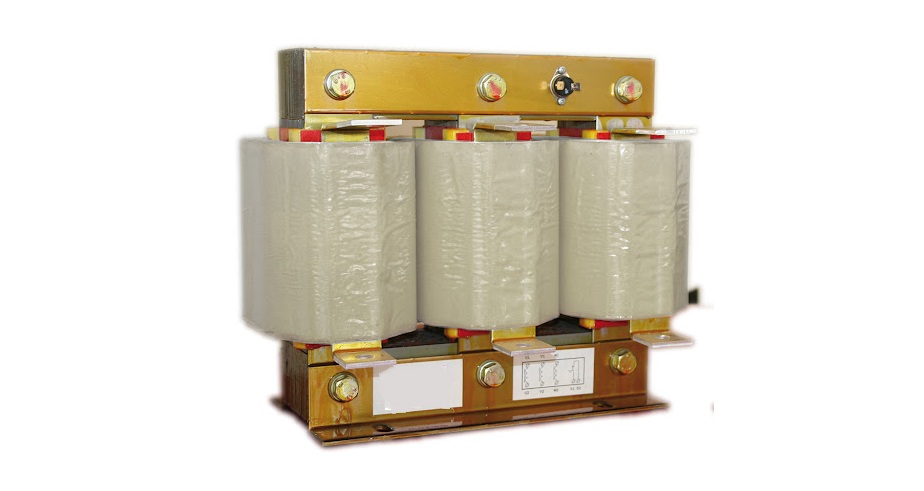
Series Reactor
We are a leading manufacturer and supplier of high-quality Series Reactors
designed
to improve power quality, protect electrical equipment, and enhance overall system
efficiency.
Our series reactors are widely used in capacitor banks, harmonic filtering systems, VFDs,
and
power factor correction panels, ensuring stable and reliable operation in demanding
industrial
environments.
With robust construction, low losses, and consistent electrical performance, our series
reactors
comply with international standards and are trusted across power, manufacturing, and
infrastructure sectors.
What Is a Series Reactor?
A Series Reactor is an inductive component connected in series with capacitors or electrical
loads to limit inrush current, suppress harmonics, and reduce voltage distortion. It plays a
critical role in protecting capacitors, preventing resonance, and improving the reliability
and lifespan of electrical systems.
Key Features of Our Series Reactors
- High thermal stability for continuous-duty operation
- Low power loss with optimized inductance design
- Excellent harmonic suppression capability
- Robust insulation system for long service life
- Compact, vibration-resistant construction
- Custom-designed solutions as per application requirements
Technical Specifications
- Rated Voltage: Up to 690V AC (custom options available)
- Rated Current: As per system requirement
- Detuning Factors: 5.67%, 7%, 14% (or customized)
- Frequency: 50 / 60 Hz
- Insulation Class: Class F / Class H
- Cooling: Natural air-cooled
Applications of Series Reactors
Our series reactors are widely used in:
- Power Factor Correction (PFC) Panels
- Capacitor Banks
- Variable Frequency Drives (VFDs)
- Harmonic Filter Systems
- Industrial power distribution networks
- Renewable energy systems
Benefits of Using Our Series Reactors
- Protects capacitors from overcurrent and overheating
- Reduces harmonic distortion (THD)
- Improves power factor and overall system efficiency
- Enhances equipment life and operational reliability
- Minimizes electrical disturbances and system failures